Abstract
RFID race timing systems are now compact enough to be integrated into wristbands, clothing, shoes, and bibs. These chip timing solutions for marathons capture athlete movement and timing details throughout an event. The use of RFID sports tracking has become a key component in modern sports formats, with early adoption seen in marathon & running event timing solutions. The setup relies on UHF RFID race timing, where antennas placed on mats along the course record participant timing data as athletes move across defined points, supporting sports event timing services and overall race timing technology in India.
Problem
Before the adoption of RFID chip timing for athletes, participant timing and tracking relied on manual methods. Handling large participant volumes made time collection difficult to manage. Without automated race timing sensors or electronic athlete identification, compiling results required significant manual effort, especially in endurance formats involving thousands of participants
Solution
Timing India implemented professional RFID timing for events using ultra-high frequency (UHF) RFID timing and RFID bib tags and shoe tags. This approach supports RFID athlete tracking through passive tags worn by participants and readers positioned at key locations along the route. As participants pass these points, the UHF chip timing for running races records timing data automatically, supporting endurance event timing solutions.
Each tag contains participant information and communicates with readers placed at the start, finish, and intermediate locations. The collected data supports race timing and results management, enabling professional race timing services and organized event operations. This approach contributes to race timing services in India across large participation formats.
Reader
The reader operates within the ultra-high frequency (UHF) RFID timing range, allowing multiple tags to be scanned together. This setup supports running event timing solutions where groups pass through start and finish areas simultaneously. The reader records chip times for each participant, supporting race management solutions and requirements expected of a sports timing service provider.
Tag
RFID tags for marathon events are designed for active sports conditions. These tags support marathon chip timing technology and are commonly attached to shoes or bibs. Built for passive RFID tracking for sports, they allow multiple tags to be read together, supporting timing mats & race timing hardware operations.
These chip timing solutions in India form the base of professional race timing services, supporting endurance formats including marathons, triathlons, cycling events, and motorsports.
Conclusion
Challenges linked to manual sports event timing services are addressed through RFID race timing systems. By applying UHF RFID race timing and chip timing solutions for marathons, organizers record individual timings based on course movement rather than start order. This supports fair result processing and transparent reporting across large participation events.
These implementations reinforce Timing India’s role as a marathon timing service provider and endurance race timing provider within India.
Future
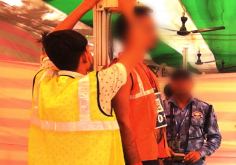
The future of race timing is moving toward AI-based tracking combined with RFID timing systems for smarter, data-driven performance analytics. Advancements in biometric identification systems, facial recognition, and AI height measurement will further refine race management solutions. These developments will make marathon timing solutions, RFID athlete tracking, and event timing solutions more secure and efficient, enhancing the overall experience of athletes and organizers while maintaining ethical and privacy standards.